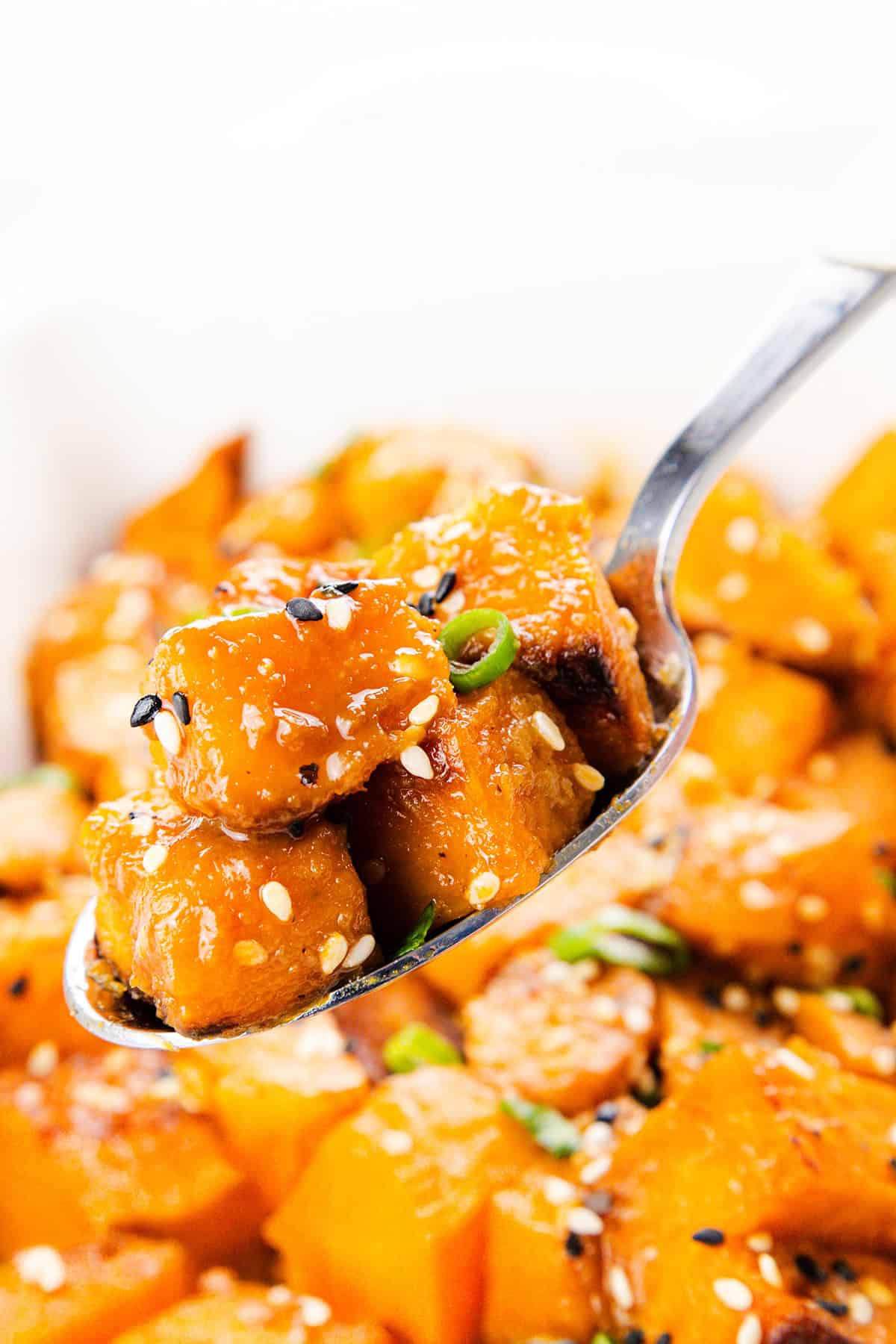
Sweet potatoes have long been celebrated for their versatility and inherent sweetness, making them a beloved staple in kitchens worldwide. Whether roasted into crispy fries, steamed for a comforting mash, or spiralized into nutritious noodles, their earthy flavor always shines through. But what if you could elevate this humble root vegetable to an entirely new level of culinary sophistication? Enter miso glazed sweet potato – a dish that transforms a simple side into an extraordinary experience, bursting with sweet, savory, and irresistible umami notes.
This recipe isn't just about cooking sweet potatoes; it's about unlocking a complex flavor harmony that will captivate your palate. By pairing the natural sweetness and earthiness of sweet potatoes with a rich, savory maple miso glaze, you create a perfect balance that's both deeply comforting and surprisingly elegant. It’s a game-changer for weeknight dinners, holiday feasts, or even as a vibrant addition to your favorite grain bowl.
The Magic Behind Maple Miso Glazed Sweet Potatoes
The allure of maple miso sweet potatoes lies in the brilliant interplay of distinct yet complementary flavors. Imagine the tender, slightly caramelized exterior of a perfectly roasted sweet potato giving way to a creamy interior, all coated in a sticky, glossy glaze that delivers a punch of savory depth, a hint of sweetness, and that elusive fifth taste: umami. This isn't just a side dish; it's a culinary journey.
At the heart of this dish is the transformative power of miso. Miso, a traditional Japanese seasoning produced by fermenting soybeans with salt and koji (a type of fungus), is a powerhouse of umami. When combined with the comforting sweetness of maple syrup and a touch of acidity, it creates a glaze that coats the sweet potatoes in a symphony of flavors. The result is a dish that is deliciously addictive, offering a sophisticated flavor profile that belies its simple preparation.
Beyond its incredible taste, this dish also ticks several boxes for those with dietary considerations. It's naturally vegan, often gluten-free (depending on your miso brand), and can be made oil-free or refined sugar-free with simple adjustments. It showcases how a few key ingredients can come together to create something truly special, making it an excellent choice for anyone looking to add unique, flavorful, and healthy options to their repertoire.
Choosing Your Sweet Potato for the Perfect Miso Glazed Sweet Potato
While any sweet potato can be delicious, selecting the right variety can significantly impact the texture and overall success of your miso glazed sweet potato dish. Different types offer distinct characteristics that shine through when roasted.
Japanese Sweet Potatoes: The Roasting Champion
For many chefs and home cooks, Japanese sweet potatoes are the reigning champions for roasting. Recognizable by their reddish-purple skin and creamy white flesh, these sweet potatoes boast a nutty flavor profile that stands out. When roasted, they develop a beautifully caramelized exterior while maintaining a wonderfully creamy, yet not mushy, interior. Their natural firmness holds up well to high heat, making them ideal for achieving that coveted tender-crisp texture.
Orange-Fleshed Sweet Potatoes: The Common Crowd-Pleaser
The most common varieties found in grocery stores, such as Beauregard, Jewel, or Garnet, feature vibrant orange flesh and tend to be sweeter and slightly more earthy than their Japanese counterparts. These are also excellent for roasting, but it's important to keep an eye on them. Due to their higher moisture content, orange-fleshed sweet potatoes can become mushy on the inside if roasted for too long. For the best results, aim for a slightly shorter roasting time or larger cubes to maintain some structural integrity.
Purple Sweet Potatoes: Best for Steaming or Boiling
While visually stunning, purple sweet potatoes are generally not recommended for roasting, especially for this dish. Their texture tends to dry out considerably when subjected to high heat, resulting in a less appealing, sometimes fibrous, outcome. Instead, save these beautiful tubers for steaming, boiling, or mashing, where their unique color and flavor can truly shine without compromising texture.
Regardless of your chosen variety, remember to always wash and peel your sweet potatoes thoroughly. The most crucial step is to cut them into even-sized cubes. This ensures consistent cooking, preventing smaller pieces from burning while larger ones remain undercooked. Uniformity is key to achieving that perfect texture in every bite.
Crafting the Irresistible Maple Miso Glaze and Other Key Ingredients
The star of this dish, the maple miso glaze, is surprisingly simple to create, yet it delivers a depth of flavor that is truly remarkable. Each ingredient plays a vital role in building this complex and utterly delicious coating for your sweet potatoes.
Miso Paste: The Umami Powerhouse
For this particular recipe, a white or yellow mild miso paste is your best bet. White miso (shiro miso) is typically fermented for a shorter period, resulting in a lighter color and a sweeter, more mellow flavor profile, rich in umami without being overly salty or intense. Yellow miso (shinshu miso) is a good alternative, offering a slightly earthier taste than white. You can usually find miso paste in the refrigerated section of well-stocked grocery stores, often near other Asian condiments like tofu or kimchi, or in any Asian food market. Avoid darker red miso for this dish, as its stronger, saltier flavor can overpower the delicate sweetness of the maple and sweet potato.
Maple Syrup: Natural Sweetness and Depth
Pure maple syrup serves as the natural sweetener, providing a rich, nuanced sweetness that granulated sugar simply can't replicate. Its subtle caramel notes enhance the overall flavor without being cloying. If you prefer, agave nectar can be a suitable substitute, offering a similar level of sweetness and liquid consistency, making this a naturally refined sugar-free dish.
Acidity: The Flavor Balancer
A squeeze of fresh lemon juice is non-negotiable for this glaze. Acidity is crucial for balancing the sweetness of the maple and the savory richness of the miso. It brightens the flavors, preventing the dish from tasting flat or overly heavy. A little tang goes a long way in creating a well-rounded and harmonious taste experience.
Neutral Cooking Oil: For Roasting Perfection
For roasting the sweet potatoes, a neutral cooking oil with a high smoke point is essential. Avocado oil is a fantastic choice due to its mild flavor and ability to withstand high oven temperatures without breaking down. Other good options include grapeseed oil or refined coconut oil. The goal is to facilitate even browning and a slightly crispy exterior without imparting unwanted flavors.
Optional Enhancements: Adding a Personal Touch
To further elevate your miso glazed sweet potato, consider a few optional additions:
- Chili Crisp: For those who love a bit of heat, a drizzle of chili crisp before serving adds a fantastic textural element and a spicy kick that wonderfully complements the sweet and savory notes.
- Toasted Sesame Seeds: A sprinkle of toasted sesame seeds offers a delightful crunch and a subtle nutty flavor, enhancing the visual appeal and overall texture.
- Fresh Herbs: A garnish of fresh cilantro or thinly sliced green onions adds a burst of freshness and color, lifting the richness of the dish.
The Art of Roasting: From Raw to Perfect Miso Glazed Sweet Potato
Achieving the ideal balance of crispy edges and a creamy interior in your miso glazed sweet potato is easier than you think, thanks to a two-stage roasting process. This method ensures your sweet potatoes are perfectly cooked and beautifully coated.
- Preparation: Begin by washing and peeling your chosen sweet potatoes. Cut them into even-sized cubes – aim for roughly 1-inch pieces. Toss them evenly with your neutral cooking oil in a large bowl.
- First Roast: Spread the oiled sweet potato cubes in a single layer on a parchment paper-lined baking sheet. It's crucial not to overcrowd the sheet; use two sheets if necessary to ensure the potatoes roast rather than steam. Roast at 425°F (220°C) for 10-15 minutes. At this stage, they should be slightly tender but still firm when poked with a fork, far from fully cooked. This initial blast of high heat begins the caramelization process and softens the interior.
- Glazing: Carefully remove the baking sheet from the oven. In the same bowl you used for oiling, or a new clean one, combine your maple miso glaze ingredients. Add the partially roasted sweet potatoes to the bowl with the glaze and toss gently until every cube is thoroughly coated.
- Second Roast: Return the glazed sweet potatoes to the baking sheet, again spreading them in a single layer. Roast for another 5 minutes. This final short roast allows the glaze to caramelize and become sticky and glossy, clinging beautifully to the sweet potatoes.
Essential Roasting Techniques for Success:
- Even Sizing is Non-Negotiable: We can't stress this enough. Uniformly cut sweet potatoes are the secret to consistent cooking. Uneven pieces will lead to a mix of burnt, perfectly cooked, and undercooked pieces.
- High Oven Temperature: A temperature of 400-425°F (200-220°C) is key. High heat is what gives you those coveted slightly crispy, caramelized edges while ensuring the inside remains tender and creamy.
- Don't Overcrowd the Pan: Give your sweet potatoes space! If they're too close together, they'll steam instead of roast, resulting in soft, soggy potatoes rather than crisp ones. Air circulation is your friend.
- Flip Halfway: Gently tossing or flipping the sweet potatoes halfway through the first roasting stage ensures even browning and helps develop a delicious crust on multiple sides.
- Don't Overcook: Especially with orange-fleshed varieties, overcooking can lead to a mushy texture. Keep an eye on them during the second roast; they're done when the glaze is sticky and the potatoes are tender-crisp.
For more in-depth tips on achieving that perfect texture every time, explore our guide on how to Roast Perfect Miso Glazed Sweet Potatoes: Tips for Creamy & Crispy.
Serving Suggestions and Customizations
One of the many charms of maple miso sweet potatoes is their incredible versatility. While undeniably delicious on their own as an addictive snack, they truly shine as a dynamic component of various meals.
- As a Side Dish: These sweet potatoes make an exceptional side to almost any main course. Pair them with roasted chicken, pan-seared fish, grilled tofu, or a hearty lentil loaf. Their sweet and savory notes beautifully complement both rich and light proteins.
- In Warm Salad Bowls: Elevate your lunch or dinner salad by adding a generous helping of maple miso sweet potatoes. They provide warmth, substance, and a burst of flavor that transforms a simple grain bowl (quinoa, farro, brown rice) into a satisfying and complete meal.
- Breakfast Hash: Repurpose leftovers or whip up a fresh batch to include in a savory breakfast hash with eggs, spinach, and perhaps some black beans for a truly unique morning meal.
- Part of a Mezze Platter: For an unconventional appetizer or light meal, arrange them on a platter with other small bites like hummus, olives, pita bread, and fresh vegetables.
This dish is also fantastic for meal prepping. You can make a larger batch and enjoy the leftovers throughout the week. They reheat beautifully in the oven or microwave, maintaining much of their original flavor and texture. For a quick and easy weeknight solution, learn how to make Quick Miso Glazed Sweet Potatoes: Sweet, Savory & 20-Minute Recipe.
Conclusion
The maple miso sweet potato is more than just a recipe; it's an invitation to explore the delightful complexities of flavor that can be achieved with simple ingredients. By harnessing the earthy sweetness of sweet potatoes, the rich depth of maple, and the unparalleled umami of miso, you unlock a side dish that is both comforting and incredibly sophisticated. This dish proves that with a little creativity and understanding of flavor profiles, you can transform an everyday vegetable into an unforgettable culinary star. So go ahead, gather your ingredients, and prepare to elevate your side dish game to new, delicious heights.
