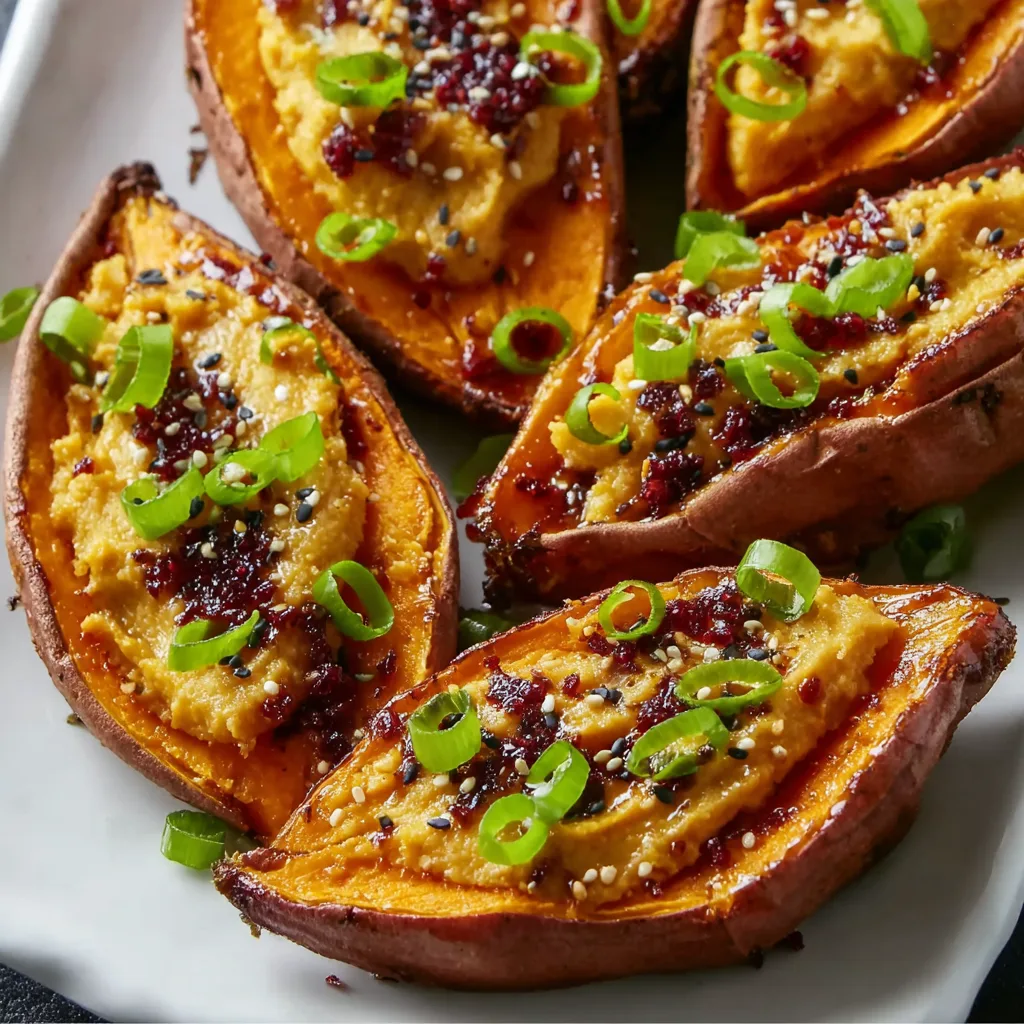
Unlock a culinary secret that transforms humble sweet potatoes into a dish of unparalleled flavor and texture: perfectly roasted miso glazed sweet potato. Imagine sweet, earthy cubes with delightfully crispy, caramelized edges giving way to a luxuriously creamy interior, all coated in a rich, umami-packed, and slightly sweet glaze. This isn't just a side dish; it's a revelation that promises to elevate any meal from ordinary to extraordinary.
Sweet potatoes are undeniably versatile, lending themselves beautifully to fries, mashes, or stir-fries. But when dressed in a sophisticated maple miso glaze, their inherent deliciousness reaches new heights. The interplay of the sweet potato's natural sugars and the complex savory notes of miso creates a harmony on your palate that is both comforting and deeply satisfying. Whether you're seeking a standout side, a delightful appetizer, or a vibrant addition to a warm salad, this recipe promises a symphony of flavors and textures that will leave you craving more.
The Magic Behind Miso Glazed Sweet Potatoes: A Flavor Fusion
The allure of miso glazed sweet potato lies in its captivating blend of flavors. At its core, you have the sweet potato itself, offering a naturally sweet, often earthy base that varies subtly depending on the variety chosen. This sweetness is then dramatically enhanced and balanced by the star of the show: miso paste.
Miso, a traditional Japanese seasoning made from fermented soybeans, salt, and often kōji (a type of fungus), is a powerhouse of umami. Its deep, savory, and slightly funky notes are what give the glaze its incredible depth. For this particular recipe, a white or yellow mild miso paste is generally preferred. These types are less intensely salty and more subtly sweet than darker miso varieties, allowing them to complement rather than overpower the sweet potato's delicate flavor. Paired with maple syrup, which provides a natural, caramel-like sweetness and helps create that desirable sticky texture, and a touch of lemon juice to add a bright, acidic counterpoint, the glaze becomes a complex tapestry of tastes that clings beautifully to the roasted vegetable.
This dynamic combination doesn't just add flavor; it transforms the sweet potato experience entirely. The roasting process caramelizes the natural sugars and the glaze, creating those irresistible crispy, sticky edges, while the high heat ensures the interior remains tender and creamy. It’s a masterful balance of sweet, salty, tangy, and savory that makes these potatoes truly addictive.
Selecting the Best Sweet Potatoes for Roasting Perfection
While all sweet potatoes are delicious, choosing the right variety is crucial for achieving that ideal creamy interior and crispy exterior in your miso glazed sweet potato dish. Each type offers a unique profile:
Japanese Sweet Potatoes: The Roasting Champion
My personal favorite, and highly recommended for this dish, is the Japanese sweet potato. Recognizable by its distinctive reddish-purple skin and creamy white flesh, this variety truly shines when roasted. Its natural nutty flavor is a fantastic complement to the miso glaze, and its texture is unparalleled. Japanese sweet potatoes caramelize beautifully on the outside, developing a delightful crispness, while remaining incredibly creamy and never mushy on the inside. This makes them ideal for holding their shape and achieving that sought-after textural contrast.
Orange-Fleshed Sweet Potatoes: A Reliable Alternative
The more common orange-fleshed sweet potatoes, often labeled as Garnet or Jewel yams (though botanically sweet potatoes), are widely available and also make a great choice. They tend to be sweeter and have a slightly earthier flavor than their Japanese counterparts. When roasting these, keep a close eye on them, as their higher moisture content can sometimes lead to a softer, potentially mushier interior if overcooked. However, with careful monitoring and the right roasting technique, they still yield fantastic results.
Purple Sweet Potatoes: Best for Other Preparations
While visually striking, purple sweet potatoes are generally not recommended for roasting in this context. Their flesh tends to dry out considerably when exposed to high heat, making them less suitable for achieving the desired creamy texture. These vibrant tubers are often better suited for steaming or boiling, where their moisture content can be better preserved.
Regardless of the type you choose, always start by washing and peeling your sweet potatoes thoroughly. Consistency in cutting is paramount: aim for even-sized cubes. Uniform pieces ensure that every single sweet potato bite cooks at the same rate, preventing smaller pieces from burning while larger ones remain undercooked, or vice-versa. This simple step is fundamental to achieving consistent textures across your entire batch.
Crafting Your Creamy & Crispy Miso Glazed Sweet Potatoes: A Step-by-Step Guide
The journey to perfect miso glazed sweet potatoes involves a careful two-stage roasting process that locks in moisture, develops flavor, and creates an irresistible texture. Here’s how to master it:
Essential Preparation Steps
- Wash and Peel: Begin by thoroughly washing your chosen sweet potatoes. While some prefer to leave the skin on for added nutrients and rustic charm, peeling ensures a more uniform texture and allows the glaze to adhere better.
- Cut into Even Cubes: This cannot be stressed enough! Aim for approximately 1-inch cubes. Precision here pays off immensely in even cooking and consistent results.
- Oil Up: In a large bowl, toss the sweet potato cubes with a neutral cooking oil. Avocado oil is an excellent choice due to its high smoke point and mild flavor, which won't interfere with the delicate miso glaze. Ensure every piece is lightly coated.
- Spread and Don't Overcrowd: Arrange the oiled sweet potatoes in a single layer on a baking sheet lined with parchment paper. This is a critical step: do NOT overcrowd the pan. If the potatoes are too close together, they will steam instead of roast, preventing them from developing those coveted crispy edges. Use two baking sheets if necessary.
The Two-Stage Roasting Strategy
The secret to perfectly cooked miso glazed sweet potato—crispy on the outside, creamy on the inside—lies in a two-stage roasting process:
- First Roast (High Heat for Softness & Start of Crisp): Preheat your oven to a high temperature, around 425°F (220°C). Roast the sweet potatoes for 10-15 minutes. The exact time will depend on the size of your cubes. During this stage, the potatoes begin to soften and the edges start to lightly brown. They should still be somewhat firm when poked with a fork.
- Glazing & Second Roast (For Stickiness & Flavor): While the sweet potatoes are in their first roast, prepare your miso glaze. Combine white or yellow miso paste, maple syrup, a squeeze of fresh lemon juice, and a tiny bit of neutral oil (like avocado oil) or water to achieve a spoonable consistency. For an extra kick, consider whisking in a dash of chili crisp. Once the first roasting stage is complete, remove the sweet potatoes from the oven. Drizzle them generously with the prepared miso glaze and toss until every piece is thoroughly coated. Spread them back out on the baking sheet in a single layer and return to the oven for another 5 minutes. This final roast allows the glaze to caramelize, deepen in flavor, and become beautifully sticky and glossy.
Achieving Perfect Texture: Insider Tips for Roasting Sweet Potatoes
- High Heat is Your Friend: The initial high oven temperature is crucial for shocking the sweet potatoes, encouraging caramelization on the exterior while cooking the interior efficiently.
- Don't Rush the Glaze: Applying the glaze too early in the roasting process can cause it to burn before the sweet potatoes are properly cooked, or result in an overly soft potato. The two-stage method ensures the glaze adheres perfectly in the final minutes.
- Flip Halfway: During the first roasting stage, give the sweet potatoes a good toss or flip them halfway through. This promotes even browning and crisping on all sides, ensuring maximum textural delight.
- Parchment Paper is a Must: Lining your baking sheet with parchment paper not only prevents sticking (especially with the sticky glaze) but also makes cleanup a breeze.
Once removed from the oven, your glistening, perfectly roasted miso glazed sweet potato is ready to be devoured. For more quick and flavorful ideas, check out our Quick Miso Glazed Sweet Potatoes: Sweet, Savory & 20-Minute Recipe, or dive deeper into umami with Maple Miso Sweet Potatoes: Unlock Umami & Elevate Your Side Dish.
Serving Suggestions & Customization
These glorious sweet potatoes are incredibly versatile. Enjoy them straight off the pan as a truly satisfying snack, or serve them as an impressive side dish alongside grilled chicken, roasted fish, or pan-seared tofu. They are also a fantastic addition to warm grain bowls, providing a burst of flavor and texture. Garnish with a sprinkle of toasted sesame seeds, fresh chopped scallions, or a few cilantro leaves for an added layer of aroma and visual appeal. For those who love a bit of heat, an extra drizzle of chili crisp upon serving takes them to another level.
The delightful fusion of sweet, savory, and umami in perfectly roasted miso glazed sweet potato makes it an unforgettable dish. By understanding the nuances of sweet potato varieties, mastering the two-stage roasting technique, and appreciating the power of a well-balanced glaze, you can consistently achieve that coveted creamy interior and crispy exterior. This recipe is more than just cooking; it's an exploration of flavor and texture that proves simple ingredients, thoughtfully prepared, can create truly extraordinary culinary experiences. Don't just make sweet potatoes; perfect them.
